If you have spent any time lurking in the NASCAR garage around 10:30 PM on a Sunday, long after the checkered flag has dropped and the haulers are packed, you know the drill. The adrenaline is still humming, but the body is screaming. You aren’t just "sitting" in a race car. You are managing an internal core temperature of 102 degrees, fighting 4Gs of lateral force through your traps, and battling a heart rate that has been pinned in the 160s for three hours straight.
When I transitioned from a pit crew strength coach to a wellness writer, the first thing I noticed was the absolute flood of "miracle-cure" marketing aimed at the racing community. I’ve heard it all: tinctures that "instantly cure" fatigue, oils that fix nervous systems overnight, and proprietary blends that promise to turn a driver into a machine. Let’s be clear: that is nonsense. However, the concept of a CBD tincture working within a 15 to 45-minute window is a physiological reality—provided you understand the mechanics, the chemistry, and the importance of high-quality sourcing.
The Racing Reality: Why Drivers Need Recovery
Before we talk about onset times, we need to address the "passive sitting" myth. If you think driving is just turning a wheel, you’ve never strapped into a Cup car. In the heat of a 36-race season, fatigue isn’t just tiredness; it’s a cumulative neurological and musculoskeletal drain.
- NASCAR/Stock Car: Constant thermal stress. The cockpit regularly hits 130°F+. The cardiovascular demand is equivalent to a middle-distance runner in a sauna. IndyCar/F1: It’s the G-forces. The cervical load is immense. By the time a driver hits the podium, their neck muscles are functionally exhausted, which leads to compensation patterns in the lower back and shoulders. Travel Fatigue: You aren’t sleeping in your own bed. You are dealing with time-zone shifts, airport security, and the erratic sleep patterns of a sport that lives on the road from February to November.
When drivers reach for a sublingual CBD tincture, they aren't looking for a "high." They are looking for a shift in their parasympathetic nervous system response—the "rest and digest" mode—to transition from the garage environment to recovery mode. This is where the 15 to 45-minute window becomes critical.
Understanding the "15 to 45 Minutes" Claim: The Sublingual Advantage
Why do manufacturers quote that 15 to 45-minute window? It comes down to how your body processes the cannabinoids. Unlike an edible, which has to go through your liver (first-pass metabolism) and can take two hours, a tincture taken sublingually (under the tongue) bypasses that slog.
When you place the drops under your tongue and hold them for 60 to 90 seconds, you are utilizing the sublingual capillaries. The compounds enter the bloodstream directly through the mucous membranes. If you are looking for an honest, third-party verified product, companies like Joy Organics have set a standard for this delivery method. But let’s sanity-check the experience. What does "feeling it" actually mean?
What To Expect: The Subjective Feeling
If you are expecting a "hit" like an energy drink or a painkiller, you are going to be disappointed. That is not how endocannabinoid modulation works. In my experience, and based on the research highlighted in outlets like The Permanente Journal regarding anxiety and sleep, the "15 to 45-minute" mark is when the physiological "noise" begins to dial down.
Timeframe Physiological Experience 0-15 Minutes The placebo effect of the ritual. The physical act of stopping, dosing, and breathing. 15-30 Minutes The "shoulders dropping" phase. You might notice a reduction in the "buzzing" sensation in the extremities. 30-45 Minutes Deep stabilization. A shift from "fight-or-flight" to a calm, manageable state of alertness.The "No COA, No Go" Rule
I cannot stress this enough: if a product doesn't have a Certificate of Analysis (COA), you are playing Russian roulette with your health—and for drivers, your career.
I have seen garage guys try cheap, gas-station-bought tinctures that claimed to be "pure" but tested positive for heavy metals or undisclosed synthetic cannabinoids. If you are a professional athlete, you need to be aware of the World Anti-Doping Agency (WADA) guidelines. Even if WADA has softened its stance on CBD, the presence of THC or contaminants in a non-third-party-lab-tested product is a career-ending risk.
When looking at a COA, check for three things:
Cannabinoid Profile: Does the bottle actually contain what the label says? Heavy Metal/Pesticide Screening: Essential. If it's missing, walk away. Microbial Testing: You don't want mold in your lungs or stomach.The Pitfalls of "Hand-Wavy" Marketing
There is a lot of talk about "detox" and "miracle healing." If a tincture brand promises that their product will "detox" your liver after a speedwaydigest.com race weekend, they are lying to you. The human body has kidneys and a liver for that. CBD works on the endocannabinoid system (ECS) to help regulate homeostasis. It helps bring the body back into balance after it has been pushed to the absolute edge by the demands of a high-G turn.
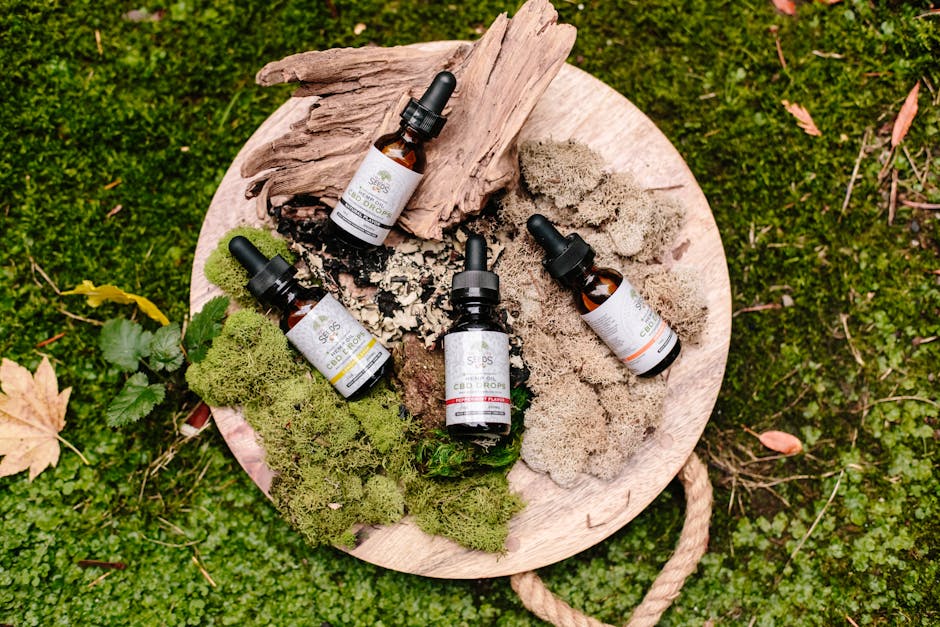
The "15 to 45 minutes" window isn't magic; it's basic pharmacokinetics. If a brand tries to sell you on "instant spiritual awakening" or "total bodily reset," find another brand. Stick to the companies that rely on third-party lab testing and transparency. If they won't show you the COA, they don't value your health.

Final Thoughts: A Tool, Not a Crutch
For the weekend warrior or the professional driver, a CBD tincture is a tool. It is part of a recovery stack that includes hydration, protein intake, mobility work, and sleep hygiene. It is not going to replace a physical therapist, and it won't undo the damage of a 600-mile race on its own.
However, when you are standing in a hotel room at midnight, ears still ringing from the track, the ability to induce a calm physiological state within that 15 to 45-minute window is a game-changer. It helps you drop the tension so your body can actually get to the business of repairing itself.
Stay smart. Check the COAs. Ignore the miracle-cure hype. And for heaven’s sake, keep your recovery as disciplined as your line through Turn 3.