The alarm goes off at 6:30 AM on Monday. It is dark, it is raining, and your bedroom feels like a fridge. You reach for the side of the bed, swing your legs out, and then it hits you. That familiar, sharp, sickening tug in the back of your thigh. It’s not a fresh injury; it’s the ghost of a tackle you made on a muddy Tuesday night three months ago. You wince, you hobble to the kettle, and you wonder: Why am I still doing this?
I spent nine years in the Scottish lower leagues. I had a day job that required me to be on my feet, and a night shift that required me to sprint until my lungs burned. I know exactly what it feels like to live with tight hamstrings all season. It becomes your personality. You are the guy who takes five minutes to tie his boots because he can’t bend over properly. You are the guy who avoids stairs at the office.
If you are currently questioning whether you should stop playing, you are already halfway to the truth. Let’s talk about why we ignore it and why that is a massive mistake.
Head back to our general archives for more reflections on the realities of the game.
The Myth of "Toughness"
Every changing room has one. The guy who thinks having a hamstring issue is just "part of the game." He’ll tell you to "walk it off" or "just do some stretches." These people usually don’t have to drive a forklift or stand at a desk for eight hours after a match. They aren’t dealing with the reality of chronic strain and the long-term impact on muscle health.
Toughness is not playing through pain. Toughness is admitting you’re broken so you can actually fix it. When you ignore tight hamstrings in football, you aren't being a warrior. You are being a liability. You are compensation-patterning, which means your glutes stop firing, your lower back takes the load, and eventually, you snap something else entirely.
The Reality of Part-Time Football
Let’s drop the facade. We aren't in the Premiership. We don’t have a physio waiting with a massage gun and a recovery shake. We have a bag of ice that melted in the car boot and a tub of Deep Heat that smells like a chemical factory.
You work a full day. Then you train or play. Then you go home, eat whatever is in the fridge, and try to sleep. There is no recovery budget in the lower leagues. If you are playing with tight hamstrings, you aren't recovering; you are just accumulating micro-tears. You aren't getting stronger. You are getting thinner.
When Should You Actually Rest?
This is the big question. You don't want to leave the lads short. But you also don't want to be unable to walk when you’re 40. Watch for these overuse injury signs before the season is ruined for you:
- The Morning Stiffness Test: If it takes you until Wednesday just to walk normally, you are playing on borrowed time. The "Starting Sprint" Fear: If you find yourself holding back in the first five minutes because you’re terrified of "going," you are already injured. The Diminishing Returns: You aren't winning headers or tackles anymore because you can't push off your back leg. The Sleep Interruption: If the pain keeps you awake or you can't find a comfortable position in bed, your body is screaming at you to stop.
Knowing when to rest is an art. If you can’t sprint at 80% capacity without a twinge, you shouldn’t be on the pitch. Full stop.
The Unforgiving Surfaces and the "Physicality" Trap
We love to talk about how "physical" our league is. We talk about hard tackles and rough pitches like they are badges of honor. But let’s be honest: that concrete-hard artificial turf from 2004 or the bog-standard mud pit that hasn't seen a groundskeeper since the nineties is a death trap for a tight hamstring.
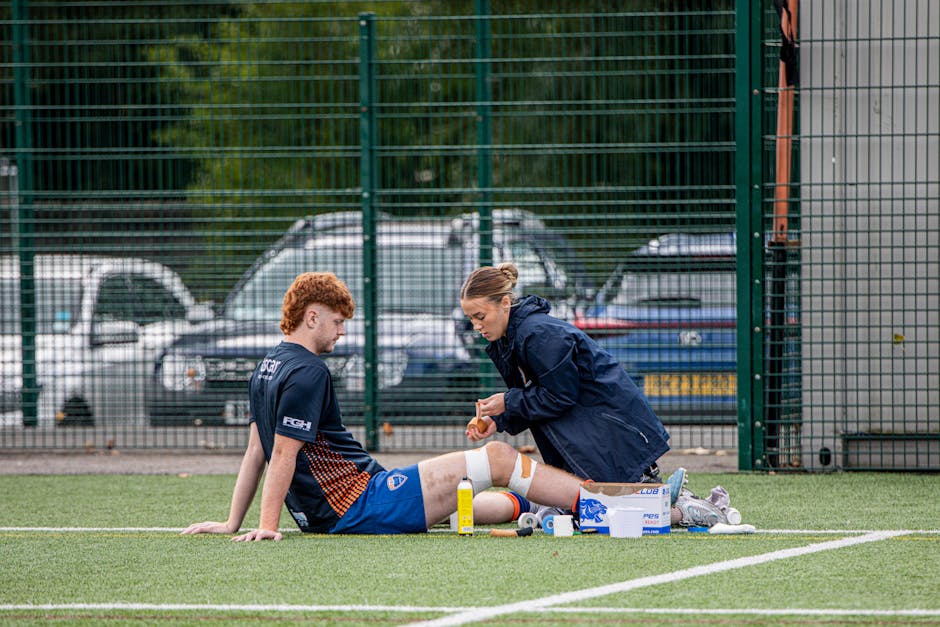
Every time you land on an unforgiving surface, the vibration travels straight up your leg. When you engage in pieandbovril those unnecessary, chest-thumping "physical duels" that have no bearing on the match outcome, you are putting your hamstrings under eccentric load they aren't ready for.
Stop trying to win the "hard man" award. It doesn't pay the bills. The only thing it wins you is a Monday morning where you can’t reach the pedals of your car.
Decision Matrix: Is It Time to Hang Them Up (or Take a Break)?
I’ve put together this simple breakdown. If you find yourself in the "Action Required" column for more than three weeks in a row, it is time to have a hard conversation with yourself.

The Final Verdict
I retired because I realized that the adrenaline of a 1-0 win on a Saturday didn't outweigh the misery of being immobile on a Monday. I missed the banter. I missed the feeling of the ball hitting the laces perfectly. But I didn't miss the constant, dull ache in my posterior chain.
If your hamstrings are tight all season, you have two choices. You can treat the symptom with professional guidance—meaning seeing an actual physical therapist, not just your teammate with the foam roller—or you can accept that your body is telling you to find a new hobby.
Football is a great game. But it is not worth your mobility. Take a month off. Do the rehab. If it’s still there when you come back, be honest with yourself. There is no shame in watching from the sidelines with a pint instead of being the guy who tears his hamstring in the 88th minute of a dead-rubber game.
Your future self will thank you when you can walk up a flight of stairs without wincing. That feeling on Monday morning? It’s supposed to be just fatigue, not a life sentence.