You know the feeling. It’s 6:30 AM on a Visit this page Monday. Your alarm goes off. You try to roll out of bed, but your right ankle is stiffer than the stadium gates in mid-January. Every step to the kettle feels like you’ve been doing lunges with a tractor tyre on your back. You’ve got a spreadsheet to finish, a commute to endure, and a training session on Tuesday night that you’re terrified of missing.
That is the reality of part-time football. It’s not about the recovery chambers or the hydration specialists. It’s about surviving the workday so you can survive the evening session. But here is the truth: if you don’t learn to train around injury, you aren’t being "tough." You’re just being stupid, and you’re going to be watching from the stands by the time you’re twenty-six.
We’ve been conditioned to think that if you aren't bleeding, you’re fit to play. That culture is a cancer in the lower leagues. Let’s talk about how to actually manage yourself without losing your edge.
The Myth of "Playing Through It"
In the dressing room, there’s always one guy. He’s the one bragging about how he snapped his ankle in '14 and finished the game. We cheer him. We call him a warrior. Then we see him three years later, limping to his car after a five-a-side game because his knee has the structural integrity of a wet biscuit.
That isn't toughness. That’s a lack of foresight. When you are working a 9-to-5, your body is your livelihood. If you break down, you aren't just missing a match; you’re missing shifts. You’re losing money. You’re becoming a burden to your employer.
Understanding the difference between structural damage and simple fatigue is vital. If you aren't sure where the line is, it’s worth reading up on how soft tissue injuries actually behave. You don't need to be a doctor, but you need to know when you’re pushing into the red zone.
For more advice on navigating the non-league grind, check out our general category for tips on balancing life and the beautiful game.
The Part-Time Reality: Surfaces and Duels
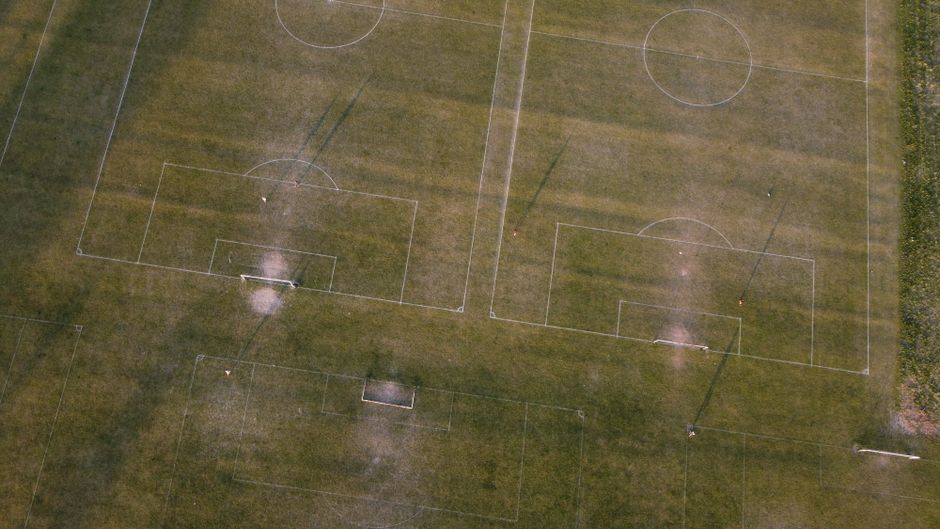
Top-tier pros train on pristine hybrid turf. We train on rock-hard astroturf that hasn't been brushed since the nineties or a muddy patch of grass behind the pavilion that’s essentially a minefield of divots. Every time you plant your foot for a diagonal ball on an unforgiving surface, you’re testing your ligaments. Every time you dive into a 50/50 duel, you’re inviting impact.
If you’re carrying a knock, stop pretending the pitch is your playground. The pitch is the enemy right now.
How to Modify Sessions Without Looking Like a Quitter
You don’t have to sit on the bench and look miserable while the squad does fitness work. You can modify sessions to keep your tactical sharpness without shredding your tendons. It’s about being smart, not being lazy.
- The "No-Duel" Rule: If your knee is suspect, do the drills, but take the touch and play the ball before the defender arrives. Nobody gets points for winning a tackle in a training drill. Limit the "Longs": If your hamstring is tight, stop pinging 50-yard diagonals. You’re doing them to impress the manager, but you’re sacrificing your Saturday performance. Give it short and move. Be the "Coach on the Pitch": Take a leading role in the tactical walkthroughs. You’re still engaged, still thinking, but you aren’t putting your ankle through the wringer on a sprint-heavy drill.
Pain Monitoring: Knowing When to Quit
You need to practice pain monitoring. This isn't clinical jargon—it’s just common sense. If your pain level is a 2 out of 10 during the warm-up and it stays there, you’re probably fine. If it’s a 2 at the start and jumps to a 6 when you turn or accelerate, you need to pull the plug immediately.
The "warming up makes it go away" theory works for old-man aches. It does not work for tears or inflammation. If you ignore a mounting pain, you are just masking the symptoms of a future three-month layoff. Is that Tuesday night training session worth six weeks on the sofa?
Pain Level Action Rationale 1-3/10 Modify intensity Manageable; keep moving but avoid high-velocity sprints. 4-6/10 Partial participation Danger zone; watch the tactical parts, skip the drills. 7-10/10 Complete rest If you continue, you’re just costing the team points later.Cumulative Strain: The Invisible Career Killer
Most players think injuries happen in a single moment. A slide tackle. A sprint. A bad landing. But most injuries in our world are the result of cumulative strain. You’ve been working on your feet all week. You’ve been driving for two hours to get to the game. You’re dehydrated from coffee and stress. Your muscles are already fatigued before you even put your boots on.
When you add "playing through a knock" to that cocktail, you’re begging for a tear. The lower leagues don't have the luxury of ice baths and daily massage therapy. You have to be your own physio.

Final Thoughts: Who Are You Trying to Impress?
Look, I get it. I spent nine years working a desk job by day and playing in the mud by night. I know the fear of losing your spot in the starting XI. You think that if you step out for one session, someone else will step in and never let you back in.
But the manager would rather have you at 90% for a full month than have you at 100% for one game and then out for the rest of the season. The "toughness" you think you’re showing is just a fragile mask. Real toughness is having the discipline to sit out, the intelligence to modify your work, and the patience to wait until you’re actually ready to go.
When that alarm goes off on Monday morning, don’t look for the painkillers. Look for the way you move. If you’re limping, you’ve already lost. Take a breath, drop the ego, and save your legs for when they actually matter—on the pitch, when the whistle blows.