Let’s cut the fluff. If you are reading this, you’re likely tired of people comparing the NBL to the G-League or, heaven forbid, the NBA. They aren't the same. The NBL is played in sports halls where the heating might work half the time, the fans are often the players' families or die-hard locals, and the "marketing budget" is usually just a few flyers and a Twitter account run by a volunteer.
Understanding the NBL league format isn't about prestige; it’s about geography and the brutal reality of funding. Whether you’re looking eurobasket.com at the NBL standings or trying to figure out why your team is playing in a specific bracket, the split between Group A and Group B is purely functional. Let's break down how this actually works without the corporate buzzwords.
The Structural Divide: How Groups Actually Work
The NBL (National Basketball League) doesn’t have the luxury of multi-million pound travel budgets. The group system—specifically the split into Group A and Group B—is designed to minimize the cost of travel while maintaining competitive parity. In many divisions, geography dictates the grouping, but as the league tries to balance skill levels, it sometimes shifts to a "North vs. South" or "Premier vs. Conference" model depending on the tier.

The aim is simple: reduce the number of six-hour bus rides for amateur players who have to be at their day jobs on Monday morning.
Breakdown of the League Hierarchy
Division Primary Structure Purpose NBL D1 Single Table (National) Top tier talent, highest travel requirements. NBL D2/D3 Group A & Group B Split Regional efficiency and cost management. Regional/Local Conference based Maximum localization for accessibility.If you see a team dominating Group A, it doesn't automatically mean they’d dismantle the leader of Group B. Often, you’re just seeing the result of two different geographical clusters. The NBL standings reflect who is the king of their specific area, but the real test is the playoffs, where these groups eventually collide. That’s where the "Group A vs Group B" myth-making stops and the actual basketball starts.
The Data Layer: Following the League
If you’re checking the NBL standings, you’re probably refreshing the league’s official site or hitting up Eurobasket. Look, Eurobasket is a solid resource, but don't treat it as the gospel. It’s an aggregator. If you want to know what’s actually happening, follow the local clubs on social media.
The "always-on" digital culture has changed how we follow the NBL. It used to be that you’d wait until Tuesday for the BBC to maybe drop a line on a local result if you were lucky. Now, you have live-tweeted games, real-time live stats, and instant highlight clips. But here’s my gripe: stop obsessing over the stats for ten seconds. Statistics in the NBL often miss the "eye test"—the player who screens hard, the defender who shuts down a lane without getting a steal. Stats capture the result; they don't capture the graft.
Beyond the Court: The Basketball Lifestyle
I’ve spent 12 years in these gyms. I know exactly what happens the second the final buzzer sounds. It’s a specific ritual: the players walk off, half the crowd immediately starts scrolling through their phones to check the results of other games in the group, and the rest stand around the vending machine talking about the officiating.
Basketball is a lifestyle, not just the 40 minutes of game time. We live in an era where "always-on" digital engagement is expected, but we need to stop pretending that every app or fantasy league is a revolutionary piece of tech. Most of it is just distraction. The true lifestyle component isn't the app you use; it’s the community. It’s the post-game ritual—the pint at the pub near the gym, the group chat blowing up about a bad call, or the late-night sessions playing games.
Post-Game Recovery and Digital Downtime
After a game, players and fans alike are often fried. The physical and mental recovery from a game in a freezing NBL gym is real. This is where digital entertainment bridges the gap. I’ve noticed a surge in fans using platforms like MRQ (mrq.com) or diving into streaming services to disconnect.
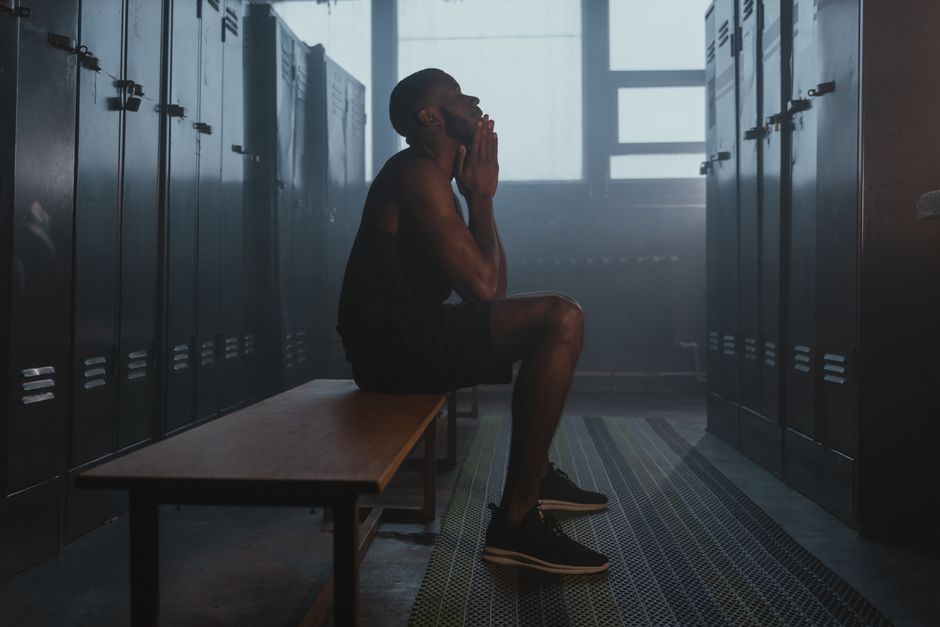
It’s not just about "digital engagement"; it’s about human connection. We use these platforms to decompress. When the game ends, the mental recovery process often involves shifting from high-intensity sports to low-intensity entertainment. It’s a natural transition. You don't need a gamified app to make the sport "engaging"—the sport is already engaging. Use these other tools to find some peace and quiet after the chaos of the court.
Why We Need to Stop Overstating "Tech"
You’ll hear league officials and tech pundits talk about "revolutionary streaming platforms" and "AI-driven fan experiences." Save it. I’ve seen the cameras used to stream these games; they’re often shaky, the audio clips, and the connection drops if the wind blows the wrong way.
Don't fall for the hype of empty claims. A platform that promises to "transform your fan experience" is usually just a way to harvest your data. We don’t need an AI to tell us who won the game—we have the live stats and the scoreboards. We don’t need a VR headset to make a D2 game feel like the NBA. It shouldn't feel like the NBA. It should feel like the NBL—gritty, local, and authentic.
Digital engagement should serve the fan, not the other way around. If a club is using social media to highlight the unsung heroes of their Group A campaign, that’s useful. If a company is trying to sell you a "next-gen" stats platform that adds zero value to your understanding of the game, walk away.
The Rituals of the Fanbase
After a decade-plus in the gym, I’ve started keeping a "weird rituals" note. It’s my little side project. Here are a few things I’ve noticed that keep the British basketball culture alive and kicking:
- The Pre-Game Scrutiny: Fans arriving 30 minutes early specifically to watch the opposing team shoot around, looking for any sign of a limp or an injury. The Post-Game Scroll: Regardless of the result, fans spend exactly 15 minutes in the bleachers scrolling through the NBL standings on their phones before even heading for the exit. The "Twitter Tracker": Certain fans who refuse to cheer until they see a confirmation of a foul or a score on the official league social media account. The Mid-Week Fantasy Chat: Clubs having informal, group-text-based fantasy leagues that have nothing to do with the official ones, where the prize is usually bragging rights or a round of drinks.
Conclusion: Stay Grounded
Whether your team is in Group A or Group B, the beauty of the NBL is its accessibility. You can walk into a local sports centre, pay a few quid, and see guys who have more heart in their little finger than some professionals have in their whole body.
Don't get bogged down by the tech promises, the "innovation" marketing, or the American-centric obsession with stats and analytics. Watch the game, support the club, and use your post-game downtime to relax—whether that's with a bit of gaming on MRQ, catching up on results, or just debating with your mates. The NBL isn't trying to be the best league in the world; it’s trying to be *our* league. And for the folks who show up to those cold gyms every weekend, that’s more than enough.
Next time you're checking those NBL standings, remember: the numbers are just a snapshot. The real magic is in the hustle, the travel, and the community you build while sitting in those uncomfortable folding chairs. Keep your eyes on the court, not just the phone screen.